Copyright 2020 by Gary L. Pullman

All
elements of fiction besides those of character and action—conflict
setting, point of view, tone and mood, and theme—are interrelated. Two ways, used independently
or together, relate these elements: character and action.

Character
and action are themselves interrelated as well: a character is what
he or she does (action determines and reflects character), and a
character does what he or she is (character determines and reflects
action): we are what we do, and we do what we are.
In
fiction, personality (i. e., character) is represented as being
composed of traits. In other words, a character is the sum total of
his or her personality traits. These traits, in turn, are expressed
in the character's action, or behavior.

There
is a final element of personality, or character, as it is represented
in fiction: will, or choice. It is will that sets human characters
apart from the animals that are included in stories. It is the
ability to choose, especially to choose to act or not, that makes
literary characters human.

During
the course of a story, the protagonist, whose “personality” is
made up of a group of traits, positive and negative, some innate,
others learned, is presented with challenges, obstacles, and problems
that he or she must meet, overcome, or solve, but he or she is
motivated to do so by his or her will, the exercise of which is
manifest in the choices that the protagonist makes.

Therefore,
in creating a character, first determine what he or she wills to
happen: What he or she want?
Then,
decide upon the character's traits, both positive and negative.
Add
meaningful personal stakes associated with the character's pursuit of
his or her goals.
Huckleberry
Finn wants to escape the “sivilizing” effects of a corrupt
society.
Huckleberry
Finn is a realistic boy who relies mostly on his own experience to
fathom the truth, is a loyal and devoted friend, and prefers to live
a simple life, but he is ignorant, relies too much on what others
believe and expect, and is literal-minded.
Huckleberry
Finn risks the loss of his personal freedom and, he believes, eternal
damnation.
Next,
make sure these additional questions are answered:
- What does the character do to obtain his or her heart's desire?
- When and where does the character live or travel?
- How does the character accomplish is goal or securing that which he or she desires, and how does he or she meet, overcome, or solve challenges, obstacles, or problems that threaten his or her success in accomplishing his or her goal (securing his or her heart's desire)?
- Why does the character want what he or she wants? What motivaes the character to undertake the quest, risking whatever is at stake personally?
* * *
- Huckleberry Finn runs away from home in the company of runaway slave, Jim.
- Huckleberry Finn lives in the American South during the early nineteenth-century and travels down the Mississippi River on a raft.
- To escape the “sivilizing” effects of a corrupt society, Huckleberry Finn runs away from home.
- Huckleberry Finn values personal freedom.
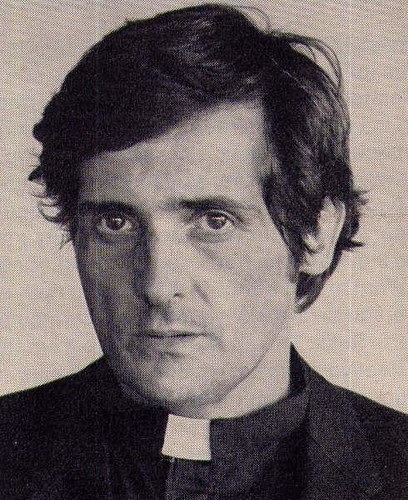
Let's
apply this approach to horror fiction using, as our example, the
motion picture adaptation of William Peter Blatty's 1971 novel The
Exorcist.
What
does my protagonist want?
Father Karras wants to hold on
to his faith in God.
What
traits, positive and negative, make up my protagonist's character, or
“personality”?
Aware of evil, Father Karras has
begun to doubt his faith in God, but he remains a courageous and
compassionate man who is committed to living an authentic life.
What
meaningful personal stakes are associated with the protagonist's
pursuit of his or her goals?
Father Karras risks losing his
faith and his sense of transcendent meaning of existence which makes
life worth living.
What
does the character do to obtain his or her heart's desire?
Father Karras participates in an
exorcism to deliver a young girl from her domination by the devil.
When
and where does the character live or travel?
Father Karras restricts his
action to a Georgetown townhouse.
How
does the character accomplish is goal or securing that which he or
she desires, and how does he or she meet, overcome, or solve
challenges, obstacles, or problems that threaten his or her success
in accomplishing his or her goal (securing his or her heart's
desire)?
Through the exorcism rite and
his willingness to sacrifice himself for the girl, Father Karras
exorcises the devil.
Why
does the character want what he or she wants?
Father Karras is a loving and
compassionate man who values both human life and free will.
What
motivaes the character to undertake the quest, risking whatever is at
stake personally?
Father Karras's love for his
mentor, Father Merrin, and his compassion for the possessed girl Regan
McNeil, allows him to participate in the exorcism, despite his
weakened faith.
No comments:
Post a Comment