copyright 2008 by Gary L. Pullman

Horror is . . . .
What? Disfigurement. Dismemberment. Death.
Loss of innocence.
A journey truncated, or even bisected, by violence or madness (or both).
A girl (or boy) interrupted.
Blood. Guts. Gore.
Monsters.
The needle’s drip.
The headless doll.
All of this, and much more.
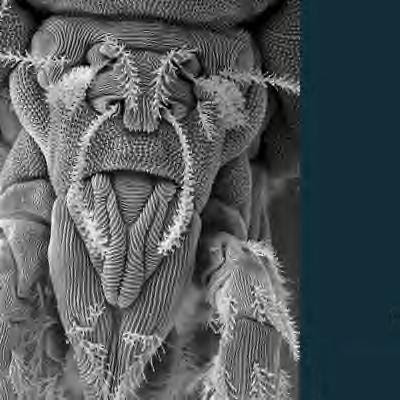
As Stephen King implies in It (and the ancient Greeks, long before), horror--or the monster, at any rate--is one’s worst fear, one’s most terrible nightmare, come true, come to life. . . as the bogeyman, who’s after you!
Horror’s many monsters, as we have observed, are metaphorical. This (evil thing) = that (existential threat). Like all fiction, in this sense, the horror genre is formulaic (for equations are formulaic). As Emily taught us, “The differences are where the meanings are.”
Life is what we make it, what we want it to be, more or less, whether we consciously and deliberately intend it to be or just follow the paths of least resistance. (We are what we do, and we do what we are.) It is a journey, life, the middle way between extremes. Conflict is mediation: in the collision of opposites, the bearing away of (and the baring away by) the violent, we are taken by force. The Tao of horror is the middle way between the extremes of being and nothingness and of everydayness and the divine (or, more often, since it’s horror we’re talking about, the demonic). We create ourselves by reconciling (or avoiding the reconciliation of) the polar opposites of our being or of our becoming.
We are surrounded by foils (and by fools, but that’s a different story). If we don’t want to become the monster, we must become its slayer; if we don’t want to turn into a demon, we must turn into an angel--or, more often, something between these two extremes. Of course, the other may be anyone or anything we are not, any opposite to ourselves or to the directions we are taking in our journeys through life. Sometimes, the other is anima or animus; sometimes, shadow; sometimes, wise old man; sometimes something new and unnamed, a monster born of our own individual (rather than a communal) existential and personal crisis. This is a rarity, indeed, however: most of our monsters are readymade, waiting for the scripts we are writing by virtue of our living out our lives to call for some off-the-rack monster from central casting that will fill the bill. In horror fiction, the fashionable monster is the rare exception to the rule.
In short, horror is undesirable otherness. It is that which we are not (at least, not yet) but are in danger of becoming.
Horror is envy. It is greed. It is gluttony. It is lust. It is pride. It is sloth. It is wrath.
Horror is ignorance. It is moral weakness, or timidity. It is indifference. It is threat to the local community. It is loss of life, of limb, of mind. It is despair. It is fear of the dark.
We would envy; we would be greedy; we would be gluttonous. We would be proud. We would be full of wrath. We would be ignorant. We would be timid. We would be indifferent. We would threaten family or town or nation or world. We would lose ourselves, part by part, or a mind at a time. We would despair. We would fear the dark.
Therefore, these are “others,” sirens calling to us from the deeps, bidding us to come to them.
Horror stories are cautionary tales.
In lucid dreams, believers in dream analysis and dream therapy believe, a dreamer can confront the stalking monster and demand to know its name. Names are powers. They can be used against the one who is known by them. Identified, a monster loses its mystique and becomes knowable, if not known; it has stepped out of the darkness, into the light. Who are you? we may ask our dreaming selves’ monsters (for all monsters are aspects of ourselves or our species), and the monster must reply.
In the truest nightmare, the monster’s name is Legion, for he or she is many.
The worst nightmare of humanity is humanity, and humanity is protean. We undergo metamorphoses, becoming, always becoming, that which we are not (or avoiding such becoming at all costs when the change isn‘t desirable).

Prophase
Metaphase
Anaphase
Telophase
In which phase are you?
No comments:
Post a Comment